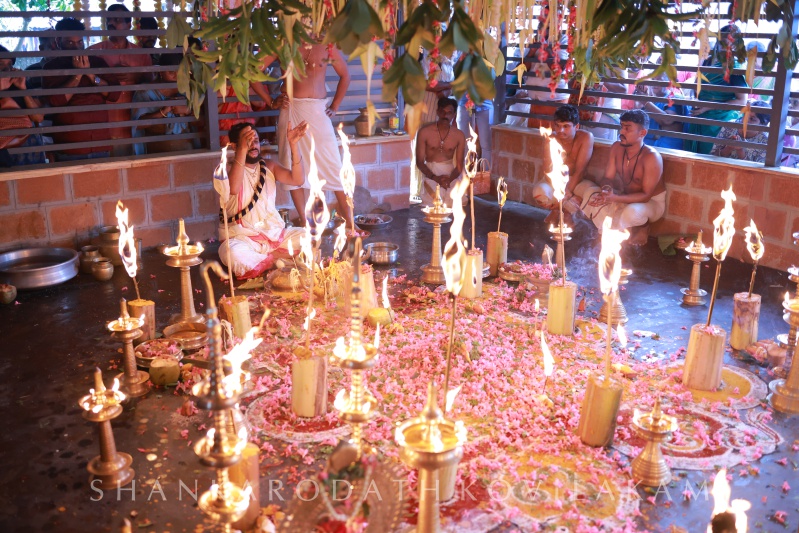
Monthly Ritual

Ayilyam Pooja

Sacred monthly worship for Naga Preethi and divine blessings

Frequency Every Ayilyam Nakshathra
Duration 2–3 hours

What is Ayilyam Pooja?

Ayilyam Pooja is the most important monthly ritual performed on the Ayilyam (Ashlesha) Nakshathra to honor and please the divine Nagas—Vishwanagayakshiamma, Nagaraja, and Sarpayakshiamma. This sacred worship has been performed by devotees for generations to receive the blessings of naga devathas for prosperity, family harmony, and protection.

The Three Sacred Variants

Ayilyam Pooja encompasses three powerful forms of worship, each with specific purposes:

1. Noorum Paalum

For: Sarpa Preethi (pleasing serpent gods)
Purpose: To ward off negative effects of Naga Dosha caused deliberately or accidentally

2. Payasabali (Nagabali)

For: Pacification of Naga Dosha
Purpose: Removal of dosha due to killing serpents, success in endeavors, and relief from health issues

3. Saparivara Noorum Paalum

For: Family Sarpa worship
Purpose: To please nagas in one's family lineage, remove miseries from ignoring serpent groves, and ensure family prosperity

The Traditional Basis

Noorum Paalum ritual

Lord Parashurama's Healing Tradition

As a consequence of the Janamejaya Yagam, the Nagas were left wounded with their bodies seared and scarred. For the mental wellbeing, physical recovery, and to ward off the sins of the distressed Nagas, Lord Parashurama commenced the practice of Noorum Paalum.

This compassionate ritual involves offering milk (Paal) and rice paste (Nooru) to the nagas for their healing and recovery. The tradition has been continued through generations as the most effective way to please serpent deities and seek their blessings.

“For individuals suffering from Naga Dosha caused either deliberately or accidentally, performing Noorum Paalum will help alleviate its negative effects.”

— Traditional Temple Scripture

Sacred Variants and Their Scriptural Basis

Payasabali Tradition

The Sarpa Yagam and Brahmasthraprayogam caused great havoc in the Naga Loka. As an outcome of the mayhem, Sarpa Shaapam (serpent curse) was placed upon planet Earth. For tranquility from the adverse effects of the curse, Lord Parashurama summoned the souls of the dead Sarpas with thaala vaadhya layas (rhythmic musical instruments) and conducted several poojas and bali tharpana.

Hence, this ritualistic process obtained the name Sarpabali or Payasabali.

Ancestral Worship Tradition

Having partaken in the practice of worshiping Serpent deities customarily for generations, and due to various reasons or unforeseen timely turn of events when the aaradhana (worship) is discontinued, Naga Dosha will prevail in the family.

For relief from ancestral Naga Dosha and unfavorable placement of Rahu or Ketu, Payasa Bali is performed as pariharam (remedial oblation) during the pooja on the auspicious day of Ayilyam Nakshatra.

Who Should Perform Ayilyam Pooja?

This sacred ritual is especially beneficial for those experiencing specific life situations

Marriage Seekers

Those experiencing delays in finding suitable life partners or facing repeated relationship breakdowns.

Seeking Progeny

Couples facing difficulties in conceiving, pregnancy complications, or seeking blessings for healthy children.

Financial Growth

Those seeking economic prosperity, removal of financial blocks, or stable wealth accumulation.

Family Harmony

Families experiencing recurring conflicts, generational problems, or seeking peace among members.

Health Protection

Those suffering from chronic skin diseases, unexplained health issues, or seeking protection for children's wellbeing.

Sarpa Dosha Afflicted

Individuals with Sarpa Dosha in their horoscope, or families who have accidentally or deliberately harmed serpents.

Ancestral Connection

Those whose ancestors practiced serpent worship but the tradition was discontinued, leading to family misfortunes.

Regular Devotees

Devotees seeking to maintain monthly connection with Naga devathas for ongoing blessings and spiritual growth.

Frequently Asked Questions

How often should I perform Ayilyam Pooja?

Ideally, Ayilyam Pooja should be performed every month on the Ayilyam Nakshathra for maximum benefits. Consistency matters more than frequency.

Can I book for someone else (parents, relatives)?

Yes, you can book Ayilyam Pooja on behalf of family members or relatives. During sankalpa, the priest will take their names and perform the ritual for their benefit. Provide accurate name, nakshatra, and gotra details.

What if I miss an Ayilyam date after starting?

Missing one or two Ayilyam dates doesn't nullify previous poojas. Resume from the next Ayilyam onwards. For serious Sarpa Dosha remediation, maintain regularity for at least 6–12 months.

How is this different from Kala Sarpa Bali?

Ayilyam Pooja is a monthly maintenance ritual for general Naga worship and blessings. Kala Sarpa Bali is an intensive annual ceremony specifically for severe Kala Sarpa Dosha. Many devotees do both—monthly Ayilyam plus annual Kala Sarpa Bali.

What if I don't know my nakshatra or gotra?

Nakshatra can be calculated from your date, time, and place of birth. Contact us with these details and we'll help determine it. If gotra is unknown, the sankalpa can be performed using "Kashyapa Gotra" or your father's name as reference.

How long does it take to see results?

Some devotees experience immediate mental peace. Tangible life changes typically manifest within 3–6 months of regular monthly poojas. Severe ancestral doshas may require 12–18 months of consistent worship.

Enquire About Ayilyam Pooja

Performed monthly on Ayilyam Nakshathra
Contact us to confirm the next date and reserve your slot