Monthly Ritual

Noorum Paalum

Kerala’s most sacred Naga offering — rice and milk presented with devotion to the divine serpents

Frequency Monthly / As Needed
Duration 1–2 hours

What is Noorum Paalum?

Noorum Paalum (Malayalam: നൂറും പാലും) is one of the most ancient and widespread serpent-deity offerings in Kerala, literally meaning "rice flour and milk." This offering is presented to Naga deities at Sarpa Kavu (serpent groves) to pacify Sarpa Dosha, invoke blessings for childless couples, remove obstacles to marriage, and seek the Naga deity’s protection for the household and all its members. It is the foundational offering upon which all other Naga rituals are built.

The Significance of Noorum Paalum

Rice (Nooram) and milk (Paalum) are the two most primal offerings in Kerala’s Naga tradition. Rice symbolizes the earth’s abundance and the devotee’s surrender of the harvest to the divine. Milk, drawn from the sacred cow, represents purity, nourishment, and the flowing grace of the deity. Together, they form the simplest yet most complete offering one can make to the Naga.

1. Basic Noorum Paalum

For: Regular Naga propitiation
Includes: Rice flour offering, milk pouring, flowers, lamps, and basic Naga mantra recitation at the serpent shrine

2. Noorum Paalum with Payasabali

For: Enhanced blessings for progeny or marriage
Includes: Noorum Paalum combined with sweet rice pudding (payasam) offered to the Naga deity for sweetness and fulfillment of wishes

3. Saparivara Noorum Paalum

For: Comprehensive household Naga blessings
Includes: Full Naga family worship with Noorum Paalum offered to all eight Naga deities (Ashta Nagas) and their consorts

The Tradition of Noorum Paalum

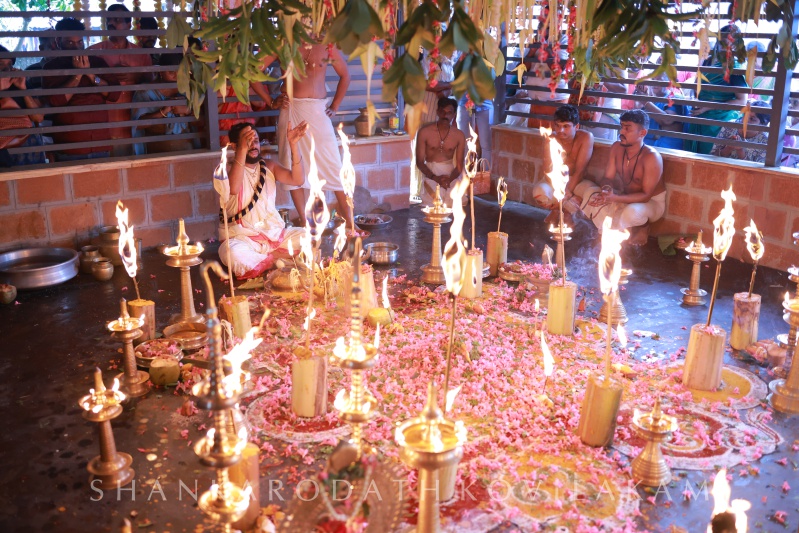
Noorum Paalum offering at Naga shrine

The Original Naga Offering

In Kerala’s ancient Naga worship tradition, the Sarpa Kavu (sacred serpent groves) adjacent to family homesteads were the primary sites of Naga veneration. These groves, undisturbed by human activity, were believed to be the dwelling places of the Naga deities who protected the family land. The daily or monthly Noorum Paalum maintained this sacred relationship between the family and the resident Naga.

Over centuries, as urbanization reduced the Sarpa Kavus, the practice moved into dedicated Naga temples like Sree Pulikkal Vishwanagayakshi Temple, where the same ancient tradition is maintained with complete ritual authenticity under the guidance of Ambotti Thampuran.

“May the Nagas, who dwell in the earth, water, and sky, accept this offering of Noorum Paalum and grant long life, prosperity, and children to the devotee who offers with a pure heart.”

— Kerala Naga Pooja Tradition, Oral Lineage

Ritual Details

Auspicious Timing

Noorum Paalum is most potent when performed on Ayilyam Nakshathra (the serpent star), which occurs monthly. It is also performed on Pooyam, Atham, and on the Naga Panchami festival. In cases of urgent need, it may be performed on any day auspicious to the individual’s nakshatra.

What Happens During the Ritual

The priest prepares the offering vessels with rice flour mixed with water into a smooth paste, which is shaped into symbolic serpent forms. Fresh milk is poured over the Naga shrine. Specific Naga stotras and the Sarpa Sukta from the Atharva Veda are recited. The ritual concludes with a lamp offering (deepa aradhana) and the distribution of prasadam including turmeric, flowers, and sacred ash.

Enquire About Noorum Paalum

Most auspicious on Ayilyam Nakshathra — performed monthly
Also available on request for any auspicious day