Special Pooja

Sarpa Bali Pooja

Sacred offerings to propitiate the Naga deities and dissolve Sarpa Dosha afflictions

Frequency As Needed
Duration 2–3 hours

What is Sarpa Bali Pooja?

Sarpa Bali Pooja is a traditional serpent-deity propitiation ritual rooted in the ancient Naga worship traditions of Kerala. "Bali" in Sanskrit means a sacred offering or sacrifice made to divine beings, and this ritual involves a sequence of prescribed offerings—including rice, milk, turmeric, flowers, and symbolic items—placed before the Naga deity to pacify Sarpa Dosha, seek ancestral forgiveness, and invoke the blessings of the Naga devatas for health, prosperity, and progeny.

When is Sarpa Bali Performed?

This ritual is especially prescribed for:

1. Sarpa Dosha Shanti

For: Sarpa Dosha in the horoscope
Purpose: Pacification of the serpent affliction caused by planetary positions or ancestral karma related to Naga worship

2. Pitru Sarpa Dosha

For: Ancestral serpent karmic debts
Purpose: Seeking forgiveness from ancestors who may have harmed serpents or neglected Naga worship, causing generational suffering

3. Progeny & Marriage Blessings

For: Childlessness and delayed marriage
Purpose: Naga deities are believed to bestow the blessings of progeny and auspicious marriage when properly propitiated

The Tradition of Sarpa Bali

Sarpa Bali Pooja ritual

Naga Worship in Kerala

The Sarpa Bali tradition in Kerala is among the oldest continuous forms of deity worship in South India, predating the Vedic period itself. Kerala’s sacred groves (Kavu) have served as sanctuaries for Naga worship for millennia, where serpent deities are honoured as guardians of the land, water, and ancestral lineage.

The word "Bali" comes from the Sanskrit root meaning an offering given with complete surrender. In the Sarpa Bali context, the devotee approaches the Naga deity with humility, acknowledging any karmic transgressions against serpents—deliberate or unknowing—by oneself or one’s ancestors, and offering prescribed items as atonement and reverence.

“The Nagas are guardians of the earth’s hidden treasures and the keepers of ancestral memory. To offer Bali to the Nagas is to reconcile with the earth itself.”

— Kerala Tantra Oral Tradition

How the Ritual Unfolds

Preparation & Sankalpa

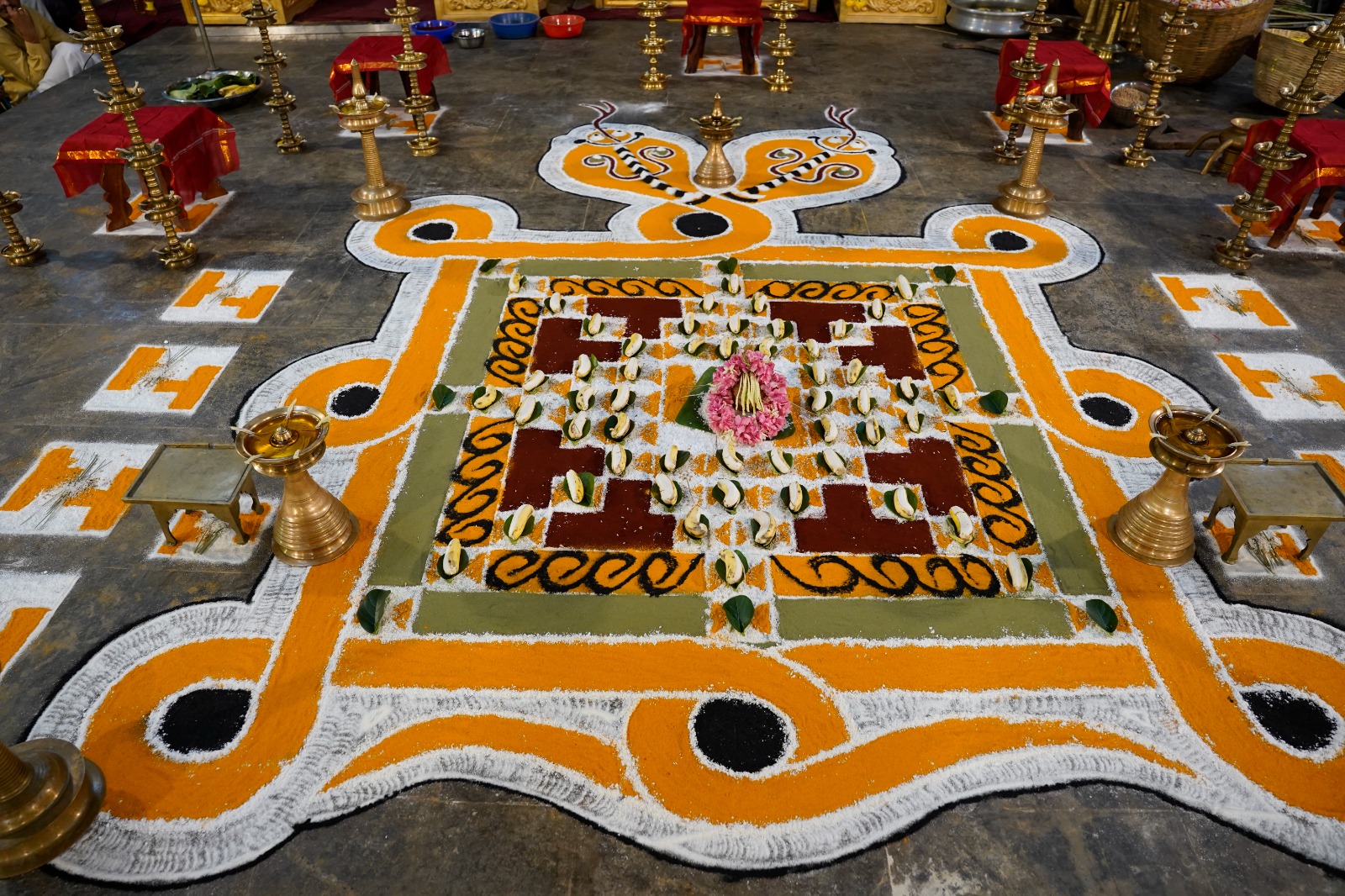
The priest prepares the ritual space at the Naga sanctuary of the temple, drawing the Naga Mandala and arranging the prescribed offerings. The devotee’s name, nakshatra, and gotra are taken for the sankalpa, which clearly states the intention and seeks forgiveness for all past transgressions.

The Bali Offerings

Offerings include Noorum Paalum (rice and milk), turmeric paste serpent images, flowers, fruits, and sacred lamps. Each offering is accompanied by specific Naga mantras from the Atharva Veda. The ritual concludes with a circumambulation of the Naga shrine and the application of sacred ash and turmeric as blessings.

Enquire About Sarpa Bali Pooja

Schedule on an auspicious Naga Nakshathra date
Contact us to confirm availability and set your intention